Airbag Deployment Injuries: When a Safety Device Causes Serious Harm
Airbags are designed to save lives. And in many crashes, they do. But when an airbag deploys improperly, deploys unnecessarily, or fails to deploy correctly, the results can be catastrophic.
As a personal injury attorney, I have seen firsthand how airbag-related injuries can leave victims with significant medical bills, lost income, and long-term complications. If you were injured by an airbag, you may have a valid claim beyond the typical car accident case.
How Airbags Are Supposed to Work


Airbags are engineered to deploy within milliseconds of a collision. Sensors detect rapid deceleration and trigger an explosive chemical reaction that inflates the bag almost instantly.
The goal is to:
- Prevent occupants from striking the steering wheel, dashboard, or windshield
- Reduce head and chest trauma
- Distribute impact force more evenly
However, that same explosive force can cause injury—especially when something goes wrong.
Common Airbag Deployment Injuries
Airbag injuries can range from minor to life-threatening. Common injuries include:
1. Facial and Eye Injuries
The force of deployment can cause:
- Broken noses
- Orbital fractures
- Eye damage
- Severe bruising
2. Burns
Airbags deploy using a rapid chemical reaction that can release hot gases and powders. Victims often suffer:
- Chemical burns
- Thermal burns
- Abrasions on the arms and chest
3. Neck and Spine Injuries
If a person is seated too close to the steering wheel or if the airbag deploys with excessive force, it can cause:
- Whiplash
- Herniated discs
- Cervical spine damage
4. Chest and Rib Injuries
Airbags can fracture ribs or cause internal injuries, especially in smaller drivers or passengers.
5. Injuries from Defective Airbags
Defective systems may:
- Deploy without a crash
- Fail to deploy during a serious accident
- Deploy with excessive force
- Contain dangerous components (such as metal fragments)
Defective Airbags and Manufacturer Liability
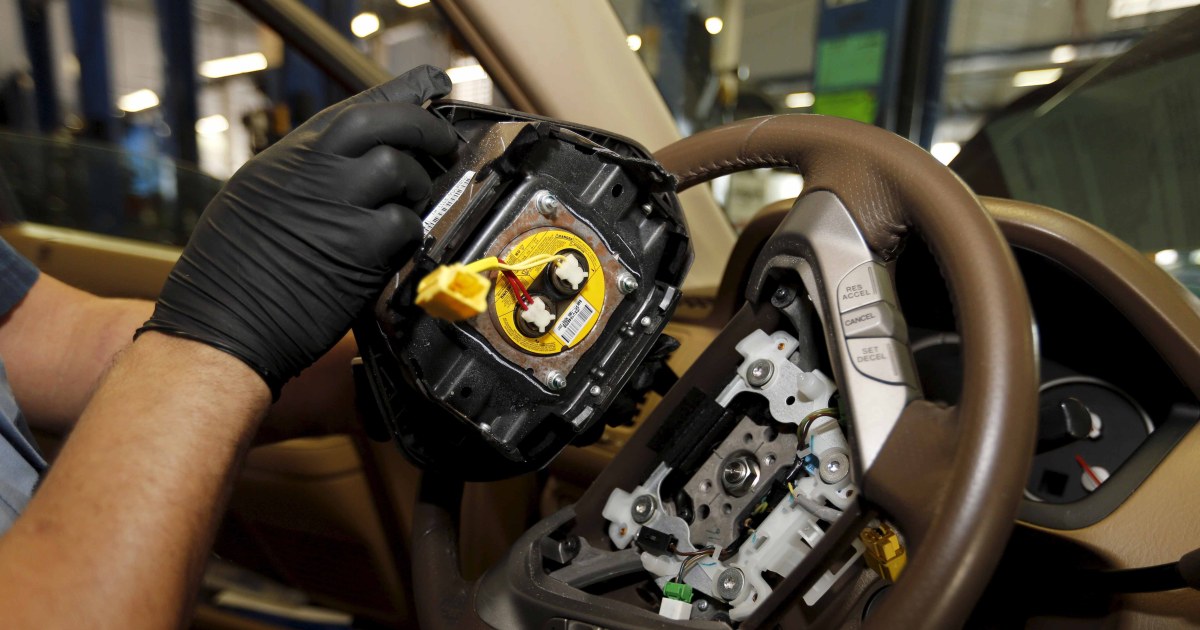
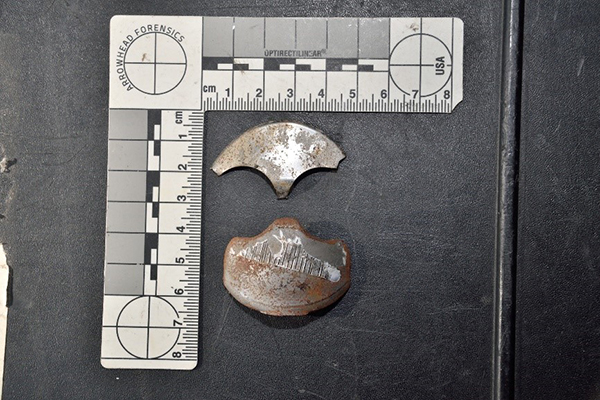
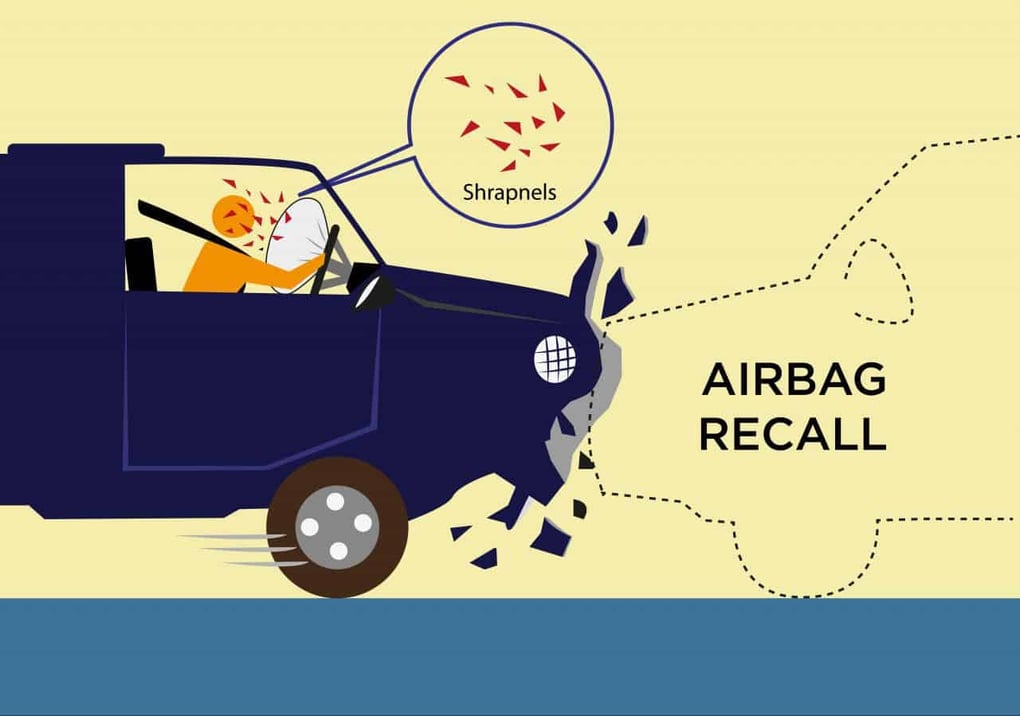

One of the largest product recalls in automotive history involved defective airbags manufactured by Takata Corporation. Those airbags could explode upon deployment, sending metal shrapnel into drivers and passengers.
In airbag injury cases, liability may fall on:
- The vehicle manufacturer
- The airbag manufacturer
- A parts supplier
- A dealership (in recall-related cases)
These cases are often product liability claims—not just standard car accident claims.
When Airbag Deployment Leads to a Personal Injury Claim
You may have a claim if:
- The airbag deployed in a minor collision
- The airbag failed to deploy in a serious crash
- The airbag deployed with excessive force
- You suffered burns, fractures, or permanent injury from deployment
- The vehicle was subject to an airbag recall
In many cases, accident reconstruction experts and engineering specialists are needed to determine what went wrong.
Compensation Available in Airbag Injury Cases
Victims of defective or improperly deployed airbags may be entitled to compensation for:
- Medical expenses (past and future)
- Lost wages
- Loss of earning capacity
- Pain and suffering
- Permanent disability or disfigurement
Because these cases often involve large manufacturers and insurance companies, early legal representation is critical.
What To Do After an Airbag Injury
If you believe an airbag caused or worsened your injuries:
- Seek immediate medical attention.
- Preserve the vehicle—do not allow it to be destroyed or repaired without documentation.
- Take photographs of injuries and the interior of the vehicle.
- Check for recall notices.
- Speak with an experienced personal injury attorney as soon as possible.
Evidence can disappear quickly in product defect cases.
Why These Cases Are Different
Airbag injury claims are more complex than standard auto accident claims. They require investigation into:
- Vehicle event data recorders
- Crash severity analysis
- Deployment thresholds
- Manufacturing defects
- Federal safety standards
These cases often involve large corporate defendants with aggressive legal teams. Having experienced counsel levels the playing field.
Injured by an Airbag? Know Your Rights
Airbags save lives—but when they malfunction, the consequences can be devastating. If you or a loved one suffered serious injuries due to airbag deployment, you may have legal options beyond a basic insurance claim.
An experienced personal injury attorney can investigate the cause, preserve critical evidence, and pursue full compensation for your losses.
If you have questions about an airbag deployment injury case, contact David McGinley at info@davidmcginley.com to learn about protecting your rights and seeking compensation.
 David McGinley